
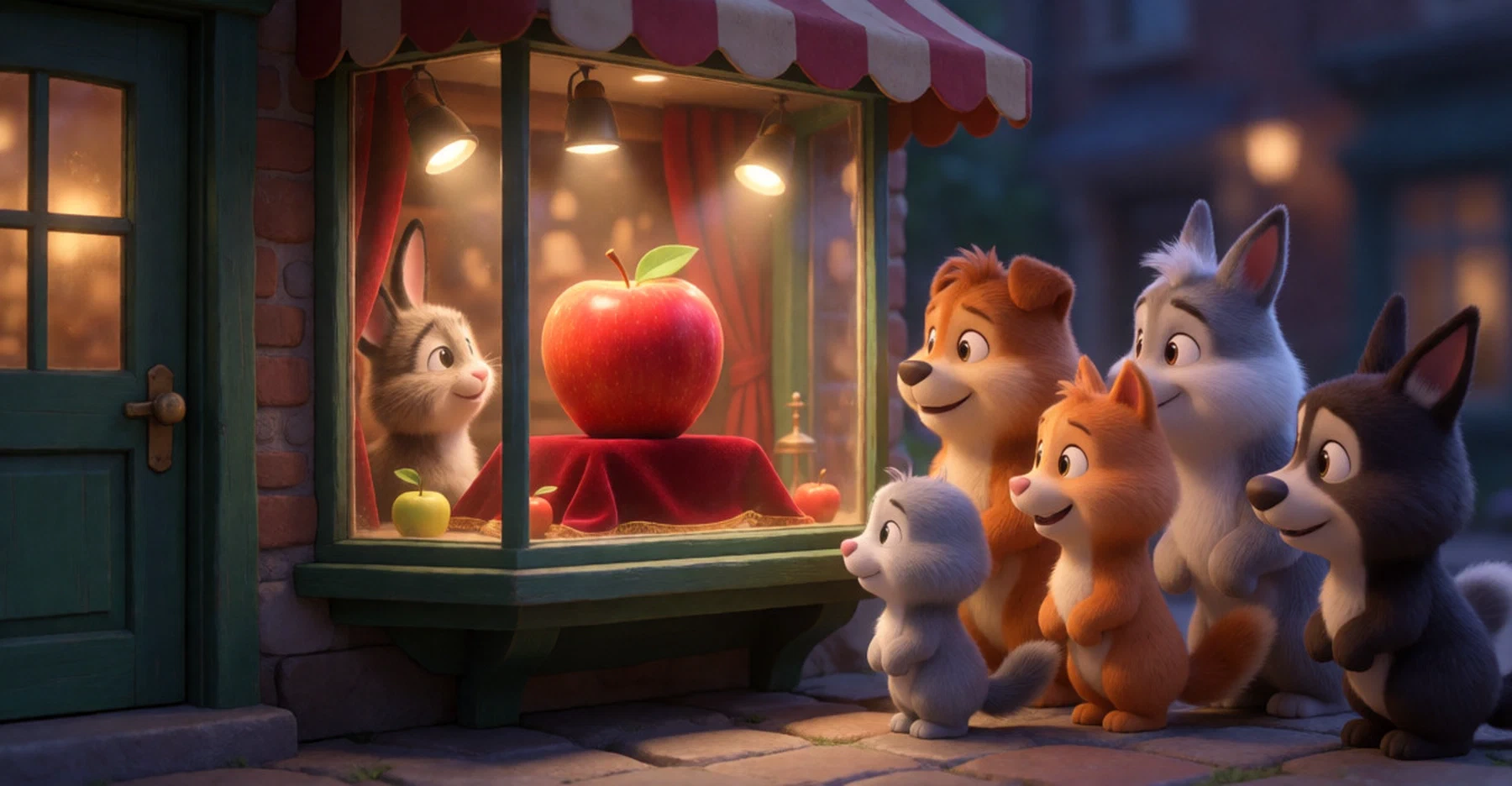
Why do people want the things they want? I think about this more than I expected to. I work on a platform where people spend all day discussing cosmetics, and why one product gets coveted while a nearly identical one sits ignored is basically the whole business. Taste is personal, sure, but the patterns underneath it are surprisingly consistent.
It has to work, and keep working
Desire usually starts with plain usefulness: the kitchen gadget that genuinely saves you ten minutes, the phone that just keeps you connected. But utility on its own only gets you to “fine”. The things people actually covet do their job exceptionally well, and keep doing it. Quality and durability are what turn a purchase into a possession someone defends — a classic car, a knife that outlives its owner. Nobody lusts after something they expect to break.
It has to make you feel something
Aesthetics pull harder than we like to admit. The lines of a sports car or the plating of a good dish grab you before the rational part of the brain gets a vote. And the strongest wants are emotional ones: joy, nostalgia, belonging. A battered childhood toy fails every practical test and is still impossible to throw away. Personalisation feeds the same instinct. Something tailored to you feels like yours in a way the stock version never will.
Other people decide more than we’d like to think
Desirability is partly a social construct. Trends, peer approval and cultural norms quietly steer what we want. Scarcity does too: limited editions, rare stones, one-off pieces. Rarity signals that wanting this thing puts you in a small club. Reputation then compounds everything — glowing reviews and word of mouth make a thing feel safe to want. I watch this loop run every single day at work.
The maths still has to work
Price doesn’t kill desire, but a bad deal does. People happily pay a premium for luxury and still walk away from anything that feels like poor value for hard-earned money. And increasingly, values sit inside the same calculation: whether something was made sustainably and ethically now moves it up or down the wish list for a lot of people. Me included.
None of these traits carries a product on its own. But stack a few of them — genuinely useful, well made, good to look at, a little scarce, vouched for by people you trust — and you get the things people queue for. Most of the rest is marketing.